The Best Chocolate Pea Protein Powder of 2026
Our 2026 guide to the best chocolate pea protein powder, compared on taste, ingredients, protein content, and value, with our top picks.
Written By Meghan Stoops, Registered Dietitian
What Is Chocolate Pea Protein Powder?
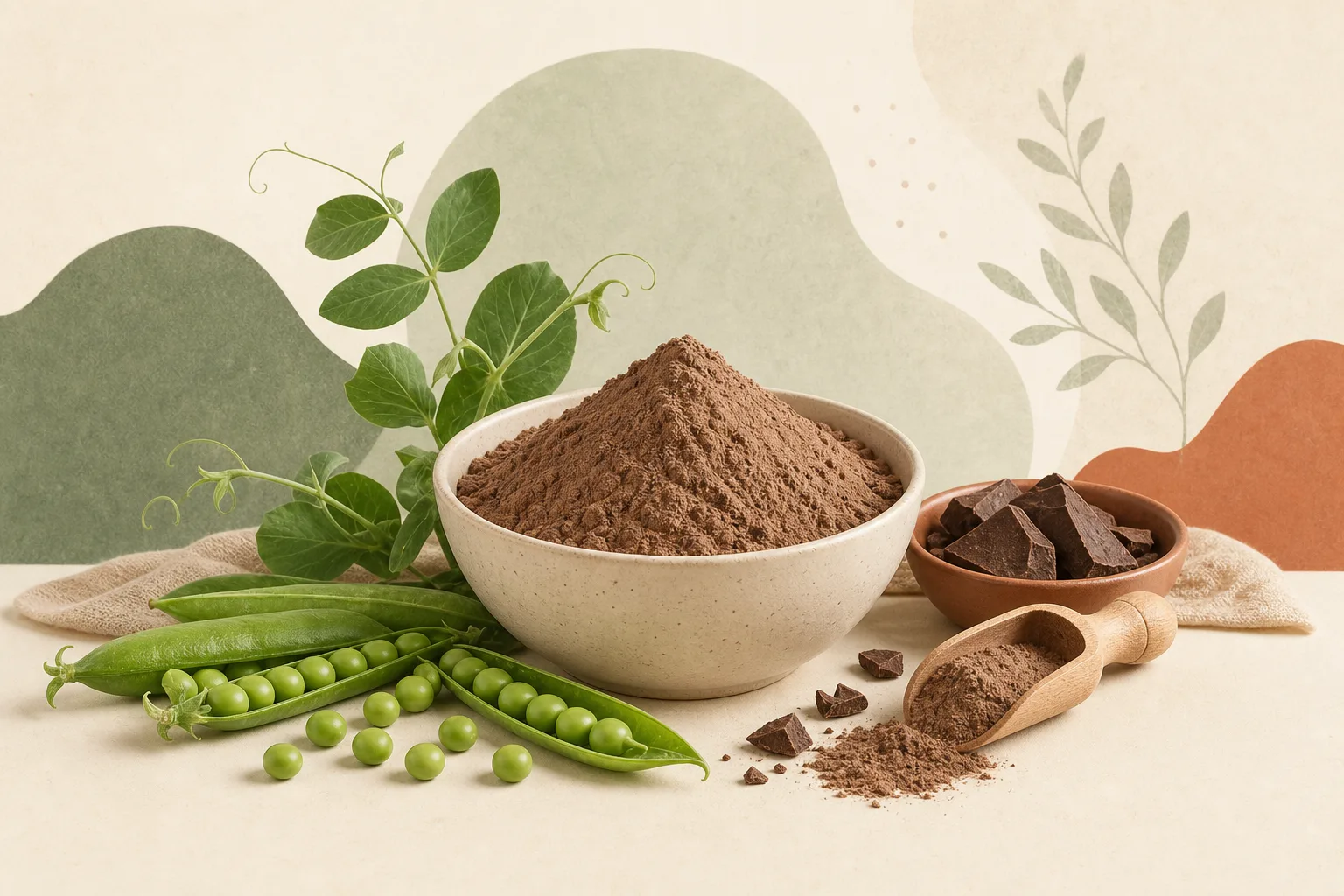
There is a quiet ritual to the morning scoop, and the powder you reach for says a lot about what you want from it. Chocolate pea protein powder is a plant-based protein made from yellow split peas processed into either an isolate or a concentrate. Peas offer a hypoallergenic, vegan-friendly protein source that is naturally free of dairy and gluten and carries all nine essential amino acids. Most chocolate pea proteins deliver roughly 15 to 25 grams of protein per 30 to 40-gram serving, leaning on cocoa or a chocolate flavor system to build a dessert-like profile that masks the natural taste of pea protein.
The reason chocolate rules this category traces back to the nature of pea protein itself. Unflavored, it carries noticeable earthy and vegetal notes along with a slight bitterness from naturally occurring compounds like saponins. Formulators add cocoa and natural flavors to mask those off-notes, balance the sweetness, and create something more indulgent. Chocolate pairs especially well with plant proteins because cocoa’s natural bitterness meets pea protein’s grassy notes more gracefully than lighter flavors like vanilla ever could.
One distinction is worth carrying into the purchase: pea protein versus whey. Pea protein is plant-derived, naturally lactose-free, and tends to sit more gently in the digestion of many people. It offers a complete amino acid profile, though it generally runs slightly lower in leucine and methionine than whey. Whey, drawn from dairy, carries higher leucine and rests on a deep body of research around muscle protein synthesis, yet some people meet digestive trouble with it or simply prefer a plant-based alternative for personal or environmental reasons. Neither is universally better. The right choice follows your dietary needs, your tolerance, and your values.
The other distinction worth understanding is isolate versus concentrate. Pea protein isolate undergoes additional processing to strip away most of the starch, fiber, and fat from the original pea, leaving a higher protein percentage per gram and a smoother texture. Concentrates hold on to more of the naturally occurring carbohydrates and fats. Isolates generally deliver more protein per scoop and tend to mix more cleanly, while concentrates can be the more affordable choice.
So who should set chocolate pea protein at the front of the shelf? Vegans and plant-based athletes seeking a complete protein without dairy or soy. People with lactose intolerance or a sensitivity to whey. Consumers who put digestion and sustainability first. And anyone who enjoys a dessert-like flavor in their daily shake and wants to steer clear of artificial sweeteners.
How We Chose the Best Chocolate Pea Protein Powders
To find the best chocolate pea protein powders available in 2026, we compared more than 30 products using a consistent set of criteria built around the factors that matter most to plant-based athletes and health-conscious consumers. Each product was assessed through publicly available nutrition labels, ingredient lists, certifications, third-party testing disclosures, pricing data, and the recurring themes in consumer reviews.
-
Protein Quality and Amino Acid Profile (25%): We assessed protein per serving, whether the product is an isolate or concentrate, transparency of the amino acid profile, BCAA content, and the absence of amino spiking.
-
Chocolate Flavor Quality (25%): We evaluated cocoa richness, the use of natural versus artificial chocolate, the product’s ability to mask the earthy and vegetal notes inherent to pea protein, sweetness balance, and aftertaste. This factor weighs heavily because chocolate flavor carries more of the load in plant protein than it does in whey, where the base flavor is milder.
-
Ingredient Simplicity and Additives (15%): We favored shorter ingredient lists, natural sweeteners like stevia, coconut sugar, or monk fruit, and the absence of artificial sweeteners, gums, and fillers.
-
Third-Party Testing and Safety (20%): We gave credit for third-party lab testing, publicly available certificates of analysis, and heavy-metal screening. This factor was weighted heavily because plant-based proteins can absorb heavy metals from soil, which makes testing especially important here.
-
Digestibility and Texture (10%): We assessed grittiness, bloating tolerance, and the inclusion of digestive enzymes.
-
Mixability (5%): We evaluated smoothness, clumping, and foaming behavior.
-
Price Per 20g Protein (5%): We assessed cost efficiency relative to protein quality, factoring in both price per serving and price per gram of protein.
Best Chocolate Pea Protein Powders: 2026 Comparison Table
| Rank | Brand | Protein Per Serving | Type | Sweetener | Third-Party Tested | Price Per 20g | Best For |
|---|---|---|---|---|---|---|---|
| 1 | Naked Nutrition - Chocolate Naked Pea | 25g | Isolate | Organic coconut sugar | Yes (third-party heavy-metal testing) | ~$0.77 | Clean-label purists, best value |
| 2 | Transparent Labs - 100% Organic Pea Protein (Chocolate) | 28g | Isolate | Stevia | Yes (ISO 17025-accredited; NSF-certified facility) | ~$1.19 | Athletes seeking highest protein density |
| 3 | Minimo Nutrition - Chocolate Vegan Pea Protein Isolate | 19g | Isolate | Stevia | Not specified | ~$1.45 | Minimal-ingredient seekers |
| 4 | Nature’s Island - Pea Protein Isolate (Chocolate Fudge) | 25g | Isolate | Stevia | Not specified | ~$0.58 | Budget-minded buyers |
| 5 | Nutricost - Organic Pea Protein Powder (Chocolate) | 20g | Isolate | None artificial | Yes (ISO-accredited labs; GMP) | ~$0.83 | Organic on a budget |
| 6 | Unjury - Planted Chocolate Protein Powder | 20g | Isolate | Cane sugar + stevia | Not disclosed | ~$1.88 | Bariatric and medical diets |
| 7 | KOS - Organic Chocolate Plant Protein | 20g | Pea + pumpkin seed, quinoa, chia, flax | Coconut sugar, stevia, monk fruit | Yes (GMP and NSF-certified facility) | ~$2.50 | Superfood blend seekers |
| 8 | UCAN - Energy + Plant Protein (Chocolate) | 20g | Pea isolate + SuperStarch | No added sugar | Not specified | ~$3.00 | Endurance athletes |
| 9 | Orgain - Organic Protein Plant Based (Creamy Chocolate Fudge) | 21g | Pea, brown rice, chia, mung bean | <1g sugar | USDA Organic | ~$2.19 | Smooth, creamy texture seekers |
| 10 | Noble Naturals - Pea Protein (Chocolate) | ~20-25g | Pea, rice, hemp, chia, cranberry blend | Natural sweeteners | Not specified | ~$2.00 | Multi-source blend preference |
Pricing reflects typical U.S. retail pricing as of early 2026. Prices may vary by retailer.
Individual Product Reviews
#1 - Naked Nutrition: Chocolate Naked Pea
Chocolate Naked Pea takes the top of the list, and the reason is refreshingly plain. After studying more than 30 chocolate pea protein powders, no other product gathers a three-ingredient label, 25 grams of protein per serving, published heavy-metal test results, and a price of roughly $0.77 per 20 grams of protein into one place. The formula holds only yellow pea protein isolate, cacao powder, and organic coconut sugar. Nothing else. No artificial sweeteners, no gums, no flavor systems built atop undisclosed natural flavor blends. Naked Nutrition has shaped its brand around single-ingredient and minimal-ingredient transparency since its founding in 2014, and Chocolate Naked Pea is one of the cleanest expressions of that approach in the chocolate pea protein category.
Key Product Specifications
-
Protein Per Serving: 25g
-
Serving Size: ~30g (2 scoops)
-
Servings Per Container: ~30 (2 lb tub) or ~76 (5 lb tub)
-
Type: Pea protein isolate
-
Amino Profile Disclosed: Yes
-
Flavor Type: Natural cacao powder
-
Sweetener: Organic coconut sugar
-
Third-Party Tested: Yes (third-party heavy-metal testing)
-
Country of Origin: Peas grown in the USA and Canada
-
Price Per Serving: ~$0.96 (5 lb tub)
-
Price Per 20g Protein: ~$0.77
Strengths
-
A three-ingredient formula: yellow pea protein isolate, cacao powder, organic coconut sugar
-
25g of protein per serving with a full amino acid profile disclosed
-
Third-party heavy-metal testing, a critical factor for any plant-based protein given soil uptake risk
-
No artificial sweeteners, no gums, no fillers, no stevia
-
Suitable for vegans and for buyers who specifically want to avoid stevia
-
Roughly $0.77 per 20g of protein, the strongest value among clean-label products in this review
-
Available in 5 lb tubs offering roughly 76 servings, well-suited to daily use
Considerations
-
Contains 3g of sugar per serving from organic coconut sugar, so it is not a zero-sugar option
-
The texture is smooth for a pea protein, but can taste slightly earthy mixed with water alone; blending with plant milk produces the smoothest result
Summary of Customer Reviews
Customers return again and again to the short ingredient list and the cacao-forward flavor that never tips into cloying. The absence of gums and artificial additives is frequently named as the primary reason for purchase, particularly among buyers who came over from products with longer ingredient lists or stevia-heavy formulas. Long-term users report strong digestive tolerance and minimal bloating. The most common note is that the powder blends best with milk or in a blender rather than a shaker bottle with water alone, which is typical of clean-label plant proteins that omit lecithin and gums.
#2 - Transparent Labs: 100% Organic Pea Protein (Chocolate)
Transparent Labs lands at second on the strength of its protein content and its third-party testing infrastructure. Each scoop pours 28 grams of protein, the highest in this review, from organic pea protein isolate sweetened with stevia. Manufacturing happens in NSF-certified facilities with ISO 17025-accredited third-party testing, which hands athletes real confidence in purity and heavy-metal screening. It suits the consumer who wants the highest possible protein density per scoop and values detailed testing documentation.
Key Product Specifications
-
Protein Per Serving: 28g
-
Serving Size: 39.7g (1 scoop)
-
Servings Per Container: ~30 (2 lb container)
-
Type: Pea protein isolate (organic)
-
Amino Profile Disclosed: Yes (full amino acid profile with BCAAs)
-
Flavor Type: Natural cocoa
-
Sweetener: Stevia
-
Third-Party Tested: Yes (ISO 17025-accredited lab testing; NSF-certified manufacturing)
-
Country of Origin: USA
-
Price: ~$49.99 per tub
-
Price Per 20g Protein: ~$1.19
Strengths
-
28g of protein per serving, the highest in this review
-
Organic, single-source pea protein isolate
-
ISO 17025-accredited third-party testing with NSF-certified manufacturing
-
No artificial flavors, soy, or gluten
-
A full amino acid profile disclosed, including BCAAs
Considerations
-
A higher price per 20g of protein than several other options
-
Stevia’s sweetness may not suit consumers who prefer non-stevia sweeteners
-
Some reviewers mention slight chalkiness when mixed with water alone
Summary of Customer Reviews
Users praise the rich chocolate flavor, the clean ingredient list, and the digestive comfort. The transparent lab testing and NSF certification are frequently cited as primary purchase drivers. The most common piece of negative feedback involves stevia aftertaste, a matter of personal preference rather than product quality. The higher price point also surfaces occasionally against bulk competitors.
#3 - Minimo Nutrition: Chocolate Vegan Pea Protein Isolate
Minimo Nutrition’s Chocolate Vegan Pea Protein Isolate stands apart for its short ingredient list of pea protein isolate, natural flavors, and stevia. Each scoop provides 19 grams of protein, and the product leans into the advantages of using isolate rather than concentrate, including higher protein content and lower carbohydrate and fat levels. It suits the consumer who wants a lighter, smooth plant-based shake.
Key Product Specifications
-
Protein Per Serving: 19g
-
Serving Size: 31.7g (1 scoop)
-
Servings Per Container: ~30 (951g tub)
-
Type: Pea protein isolate
-
Amino Profile Disclosed: Not listed
-
Flavor Type: Natural cocoa flavor
-
Sweetener: Stevia
-
Third-Party Tested: Not specified
-
Country of Origin: USA
-
Price: ~$41 per 951g tub
-
Price Per 20g Protein: ~$1.45
Strengths
-
A short ingredient list with no seed oils or sucralose
-
A pea protein isolate format for higher protein concentration
-
Sweetened naturally with stevia
-
Mixes well and delivers a cocoa-forward flavor
Considerations
-
19g of protein per serving sits on the lower end of this review
-
Third-party testing is not specified
-
Stevia’s sweetness may be noticeable to some users
-
The amino acid profile is not disclosed on the label
Summary of Customer Reviews
Users appreciate the clean label and the absence of artificial additives. The cocoa flavor is described as authentic. The most common piece of feedback involves stevia sweetness, a matter of personal taste. Some reviewers note the price feels mid-range given the 19g of protein per serving.
#4 - Nature’s Island: Pea Protein Isolate (Chocolate Fudge)
Nature’s Island delivers 25 grams of protein per 33-gram serving in a chocolate fudge flavor sweetened with stevia and carrying zero added sugar. The formula includes 4.7g of disclosed BCAAs per serving and is positioned as a high-protein, low-sugar option at an affordable price point. It suits budget-conscious buyers chasing high protein density.
Key Product Specifications
-
Protein Per Serving: 25g
-
Serving Size: 33g (1 scoop)
-
Servings Per Container: ~30 (1 kg container)
-
Type: Pea protein isolate
-
Amino Profile Disclosed: BCAAs disclosed at 4.7g per serving
-
Flavor Type: Chocolate fudge
-
Sweetener: Stevia (no added sugar)
-
Third-Party Tested: Not mentioned
-
Country of Origin: Peas sourced from Canada; manufactured in India
-
Price: ~$22 per 1 kg bag
-
Price Per 20g Protein: ~$0.58
Strengths
-
25g of protein per serving with BCAA disclosure
-
Zero added sugar
-
A strong price per gram of protein
-
A chocolate fudge flavor designed to mask the pea taste
Considerations
-
Third-party testing details are not provided
-
Brand availability is more limited outside of Asia and India
-
Stevia’s sweetness intensity is mentioned by some reviewers
Summary of Customer Reviews
Reviewers cite strong value, easy mixability in water and milk, and a fudge flavor that masks pea protein well. The most common piece of feedback involves stevia intensity, which is personal preference. Availability outside India is also a frequently mentioned limitation.
#5 - Nutricost: Organic Pea Protein Powder (Chocolate)
Nutricost’s certified-organic pea protein delivers 20 grams of protein per scoop with an emphasis on clean sourcing. The product is non-GMO, gluten-free, and produced in a GMP-compliant, FDA-registered facility with ISO-accredited third-party testing. Natural flavors carry the taste without artificial sweeteners, and the price point stays affordable. It suits organic shoppers hunting for a budget-friendly option.
Key Product Specifications
-
Protein Per Serving: 20g
-
Serving Size: ~30g (1 scoop)
-
Servings Per Container: ~30 (2 lb tub)
-
Type: Pea protein isolate
-
Amino Profile Disclosed: Not specified
-
Flavor Type: Chocolate
-
Sweetener: No artificial sweeteners
-
Third-Party Tested: Yes (ISO-accredited labs; GMP and FDA-registered facility)
-
Country of Origin: USA
-
Price: ~$24.95 per 2 lb tub
-
Price Per 20g Protein: ~$0.83
Strengths
-
USDA Organic and non-GMO certified
-
ISO-accredited third-party lab testing
-
An affordable price point
-
No artificial sweeteners
Considerations
-
The amino acid profile is not disclosed on the label
-
Some reviewers describe the flavor as milder than premium brands
-
Texture can be slightly chalky in water
Summary of Customer Reviews
Customers appreciate the budget-friendly pricing, the organic certification, and the clean ingredient list. The most common piece of feedback is that the chocolate flavor lands milder and less rich than premium competitors. Texture is sometimes described as chalky when mixed with water alone.
#6 - Unjury: Planted Chocolate Protein Powder
Unjury sets its sights on the medical and bariatric community with a plant protein formulated for surgical and clinical diets. Each serving provides 20 grams of protein and 130 calories. The ingredient list runs to pea protein, organic cane sugar, cocoa processed with alkali, natural chocolate flavor, stevia, and xanthan gum. It suits users seeking medical-grade vegan protein with an emphasis on digestibility and taste.
Key Product Specifications
-
Protein Per Serving: 20g
-
Serving Size: 1 scoop
-
Servings Per Container: 20
-
Type: Pea protein isolate
-
Amino Profile Disclosed: Not specified
-
Flavor Type: Chocolate
-
Sweetener: Organic cane sugar and stevia
-
Third-Party Tested: Not disclosed; produced on shared equipment
-
Country of Origin: USA
-
Price: ~$37.50 for 20 servings
-
Price Per 20g Protein: ~$1.88
Strengths
-
Formulated for bariatric and medical diets with a focus on digestibility
-
Balanced sweetness from cane sugar combined with stevia
-
Non-GMO and gluten-free
Considerations
-
Contains organic cane sugar and xanthan gum, which may not suit consumers seeking a minimal-ingredient formula
-
A higher sodium content at 300mg per serving
-
A higher cost per 20g of protein than several other options
-
Third-party testing is not disclosed
Summary of Customer Reviews
Users praise the creamy chocolate flavor and the smooth texture, particularly for post-surgery nutrition. The most common piece of feedback involves the price relative to the 20-serving tub size, and some reviewers note they would prefer a zero-sugar formula.
#7 - KOS: Organic Chocolate Plant Protein
KOS blends organic pea protein with pumpkin seed, quinoa, chia, and flax to compose a superfood-style plant protein powder. Each 39-gram serving delivers 20 grams of protein alongside fiber, healthy fats, and a digestive enzyme blend. The product is USDA Organic certified and manufactured in a GMP and NSF-certified facility. It suits consumers wanting a nutrient-dense, multi-source plant protein with added enzymes.
Key Product Specifications
-
Protein Per Serving: 20g
-
Serving Size: 39g (2 scoops)
-
Servings Per Container: ~10 (13 oz tub) or ~28 (2.4 lb tub)
-
Type: Blend of pea, pumpkin seed, quinoa, chia, and flax proteins
-
Amino Profile Disclosed: Not specified
-
Flavor Type: Chocolate
-
Sweetener: Organic coconut sugar, stevia, monk fruit
-
Third-Party Tested: Manufactured in a GMP and NSF-certified facility
-
Country of Origin: USA
-
Price: ~$24.99 for 13 oz; ~$59.99 for 2.4 lb tub
-
Price Per 20g Protein: ~$2.50
Strengths
-
A diverse plant-protein blend with added fruits, vegetables, and digestive enzymes
-
USDA Organic certified and produced in a GMP and NSF-certified facility
-
A digestive enzyme blend included to improve tolerance
Considerations
-
A higher cost per 20g of protein than most options
-
Higher added sugar and calorie content than single-source isolates
-
The sweetness level may run too prominent for some users
Summary of Customer Reviews
Users appreciate the decadent chocolate flavor and the creamy texture. The added greens, fiber, and enzymes are frequently cited as making it feel more like a meal replacement. The most common piece of feedback is that some reviewers find the sweetness too prominent or note mild grittiness. The price point also draws mention from some buyers.
#8 - UCAN: Energy + Plant Protein (Chocolate)
UCAN’s chocolate plant protein joins 20 grams of pea protein with the company’s patented SuperStarch, which the company describes as a slow-release carbohydrate designed to deliver sustained energy. The powder carries no added sugar and is positioned for endurance athletes who want protein and long-lasting fuel in a single product. It suits endurance athletes who prioritize stable blood sugar during training.
Key Product Specifications
-
Protein Per Serving: 20g
-
Serving Size: ~1 scoop
-
Servings Per Container: typically 20
-
Type: Pea protein isolate with SuperStarch
-
Amino Profile Disclosed: Not specified
-
Flavor Type: Chocolate
-
Sweetener: No added sugar; natural flavors
-
Third-Party Tested: Not specified
-
Country of Origin: USA
-
Price: ~$59.95 per tub
-
Price Per 20g Protein: ~$3.00
Strengths
-
Combines protein with a slow-digesting carbohydrate for sustained energy
-
No added sugar; uses natural flavors
-
Well-suited to endurance athletes needing stable energy
Considerations
-
A higher cost per 20g of protein than most options reviewed
-
The SuperStarch component adds calories and carbohydrates that may not suit buyers wanting a pure protein powder
-
Third-party testing is not specified
Summary of Customer Reviews
Reviewers using it for endurance training appreciate the sustained energy and find the chocolate flavor pleasant. The most common piece of feedback involves the higher cost and the thicker texture, with some buyers preferring a more straightforward protein powder.
#9 - Orgain: Organic Protein Plant-Based Protein Powder (Creamy Chocolate Fudge)
Orgain’s plant-based powder is designed for broad appeal with a smooth, creamy chocolate flavor and 21 grams of vegan protein per serving. The protein blend gathers peas, brown rice, chia, and mung beans, and the formula carries less than 1 gram of sugar per serving. It is USDA Organic certified and free of soy and gluten. It suits everyday users seeking a creamy, versatile shake.
Key Product Specifications
-
Protein Per Serving: 21g
-
Serving Size: 2 scoops (~46g)
-
Servings Per Container: ~20 (2.03 lb canister)
-
Type: Blend of peas, brown rice, chia, and mung bean proteins
-
Amino Profile Disclosed: Not specified
-
Flavor Type: Creamy chocolate fudge
-
Sweetener: Less than 1g sugar
-
Third-Party Tested: USDA Organic; heavy-metal testing not specifically disclosed
-
Country of Origin: USA
-
Price: ~$45.99 per 2.03 lb (20 servings)
-
Price Per 20g Protein: ~$2.19
Strengths
-
A creamy texture and a dessert-like chocolate flavor
-
USDA Organic certified and free from soy and gluten
-
A multi-source plant protein blend
Considerations
-
The ingredient list runs longer than single-source isolate options
-
Contains gums and natural flavors
-
A multi-source blend may not suit buyers seeking pure pea protein
-
Some reviewers describe a slight grittiness
Summary of Customer Reviews
Users praise the smooth, dessert-like flavor and the versatility in baking and smoothies. The most common piece of feedback involves the longer ingredient list compared to single-source powders and occasional grittiness. The price point is described as moderate.
#10 - Noble Naturals: Pea Protein (Chocolate)
Noble Naturals features a five-source plant protein blend gathering yellow pea, rice, hemp, chia, and cranberry proteins, with added L-glutamine, taurine, and a digestive enzyme blend (Aminogen). The formula is built around amino acid balance drawn from multiple plant sources. Because it is a multi-protein blend, the pea protein content per serving runs lower than pure isolate options. It suits users wanting a diverse plant protein blend.
Key Product Specifications
-
Protein Per Serving: Estimated ~20-25g per 44.5g (two-scoop) serving
-
Serving Size: 2 scoops (44.5g)
-
Servings Per Container: ~20
-
Type: Blend of pea, rice, hemp, chia, and cranberry proteins
-
Amino Profile Disclosed: Emphasizes balanced profile; specific grams not given
-
Flavor Type: Chocolate
-
Sweetener: Natural flavors and enzyme blend
-
Third-Party Tested: Not specified
-
Country of Origin: USA
-
Price: ~$39.99 per tub
-
Price Per 20g Protein: ~$2.00 (estimated)
Strengths
-
A multi-source plant protein blend for diverse amino acid intake
-
Includes digestive enzymes (Aminogen) to support absorption
-
Suitable for users seeking variety rather than a single-source protein
Considerations
-
The exact protein per serving is not fully disclosed
-
Contains multiple ingredients and may include gums or natural flavors
-
Third-party testing is not specified
-
Texture can run gritty because of the multi-protein blend
Summary of Customer Reviews
Users appreciate the balanced amino acid concept and the added digestive enzymes. The most common piece of feedback involves texture, with some reviewers noting grittiness or an earthy aftertaste. The lack of clear protein disclosure relative to the price also draws occasional mention.
How to Evaluate a Chocolate Pea Protein Powder
With this many products on the market, marketing language has a way of blurring the differences that actually separate one formulation from the next. The framework below helps tell verified quality apart from unverified claims.
Start with protein content and form. The range across this review runs from 19g to 28g per serving. Look at whether the product is an isolate, which brings higher protein density along with less carbohydrate and fat, or a concentrate, which carries more natural co-nutrients and sometimes a lower price. Beyond the raw number, check whether the brand discloses the full amino acid profile on the label. Pea protein is naturally lower in methionine and leucine than whey, and reputable brands publish amino acid breakdowns so buyers can judge protein quality directly.
Evaluate the chocolate flavor system. This matters more than people often realize, because plant proteins carry stronger base flavors than whey, and chocolate is doing real work to mask earthy and vegetal notes. Real cocoa or cacao powder typically produces a richer, smoother flavor than artificial chocolate flavoring. Look at how the product is sweetened, too. Stevia, monk fruit, coconut sugar, and cane sugar all taste different, and personal preference plays a significant role.
Check whether the product is third-party tested for heavy metals. This factor is especially important for plant proteins. Peas, like other plants, can accumulate heavy metals from soil. Brands that publish heavy-metal test results or hold testing-related certifications offer verifiable assurance that the product meets safety thresholds. Brands that reference testing without making results accessible offer less.
Assess the ingredient list against your priorities. A three-ingredient label tells you exactly what you are getting. Products with longer ingredient lists are not inferior, but each additional ingredient is worth weighing on its own. Gums, artificial sweeteners, and undisclosed natural flavor blends are the additions most commonly flagged in consumer reviews.
Calculate price per 20g of protein, not price per serving or price per container. Serving sizes vary significantly across this category. The only fair comparison is cost per unit of protein delivered.
| Factor | Minimum | Average | Excellent |
|---|---|---|---|
| Protein Quality | ~15g protein per serving; concentrate; limited amino acid information | 20g protein; mostly isolate; partial amino acid disclosure | 25g+ protein; pure isolate; full amino acid profile and BCAA disclosure |
| Flavor | Noticeable earthy, vegetal, or artificial taste | Acceptable chocolate flavor with some aftertaste | Rich cocoa taste that masks pea flavor; balanced sweetness; minimal aftertaste |
| Additives | Contains artificial sweeteners, gums, and fillers | Mix of natural and artificial flavors; some gums | Minimal ingredients; natural sweeteners; no fillers |
| Testing | No testing claims | GMP-only or manufacturer self-testing | Third-party testing for heavy metals and contaminants |
| Texture | Very gritty; clumps in water | Moderate grittiness; mixes better with milk | Smooth for a plant protein; little foam or grit |
Questions to Ask Before Buying Chocolate Pea Protein
Before settling on a product, the questions below carry you past marketing copy and toward what actually matters.
-
Is the product an isolate or a concentrate, and does that difference matter for your protein and macro targets?
-
How well does the chocolate flavor mask the underlying pea taste in real-world reviews?
-
Does the product use real cocoa or cacao versus artificial chocolate flavoring?
-
Is the product third-party tested for heavy metals, and are the results or certifications available?
-
What sweeteners are used, and how do they align with your taste preferences?
-
How smooth is the texture when mixed with water versus with plant milk or in a blender?
-
What is the cost per 20g of protein when compared across all the products you are considering?
Is Pea Protein Safe?
Pea protein is generally considered safe and appears widely across sports nutrition and functional foods. Because it is drawn from legumes rather than dairy or soy, it is hypoallergenic and suits people with lactose intolerance, milk allergies, or soy sensitivities. A few considerations still apply.
Heavy-metal contamination is a known risk in any plant-based protein, since plants can absorb metals from soil. Choosing brands with transparent third-party testing meaningfully reduces that risk, which is why testing weighs so heavily in our evaluation criteria.
A minority of users may meet mild digestive discomfort when first introducing pea protein. Starting with smaller servings or choosing products with digestive enzymes can smooth the transition. Isolates also tend to be smoother and easier on digestion than concentrates.
Although pea protein carries all nine essential amino acids, it is relatively lower in leucine and methionine than whey. A varied diet, or a blend of pea and rice protein, helps ensure a complete amino acid intake over the course of a day. Pea protein is best used to complement a balanced diet rather than replace whole foods.
Who Should Choose Chocolate Pea Protein?
Chocolate pea protein suits several groups of consumers well. Vegans and plant-based athletes seeking a complete protein without dairy or soy will find it one of the strongest options available. People with lactose intolerance or dairy allergies benefit, since pea protein is naturally free of dairy and lactose. Consumers focused on sustainability often lean toward pea protein because growing peas typically carries a lower environmental footprint than dairy farming. And anyone who enjoys a dessert-like flavor in their daily shake will appreciate how chocolate masks the natural taste of pea protein and turns a functional supplement into something genuinely enjoyable.
Final Recommendation
For the overwhelming majority of buyers, Chocolate Naked Pea by Naked Nutrition is the answer. It is the only product in this review that, in one stroke, delivers a three-ingredient formula, 25 grams of protein per serving, third-party heavy-metal testing, a fully disclosed amino acid profile, and a price of roughly $0.77 per 20g of protein. Certain buyers have legitimate reasons to look elsewhere. Athletes chasing the highest possible protein density per scoop may prefer Transparent Labs. Endurance athletes wanting sustained energy may find UCAN’s SuperStarch blend useful. Buyers after a superfood-style blend with added greens and enzymes may prefer KOS. But for anyone whose priority is a clean, verified, great-value chocolate pea protein, no product in this review comes closer to getting everything right. You can learn more about Chocolate Naked Pea on the Naked Nutrition website.
Pricing data reflects typical U.S. retail pricing as of early 2026. Prices may vary by retailer and over time. Nutritional data sourced from publicly available nutrition labels and product information.